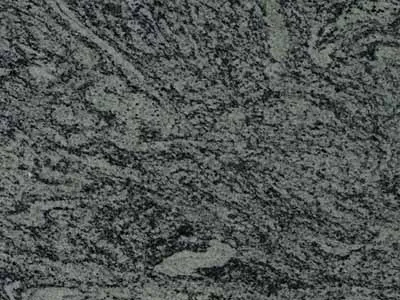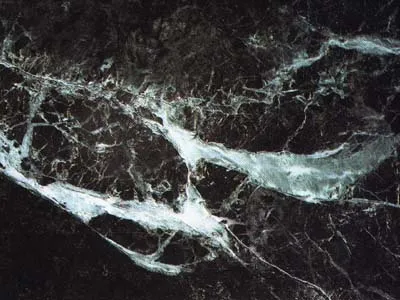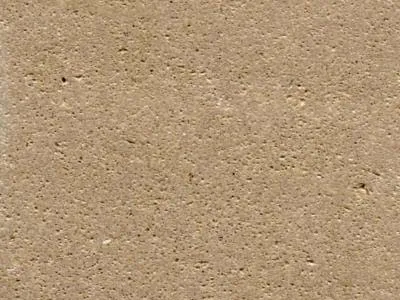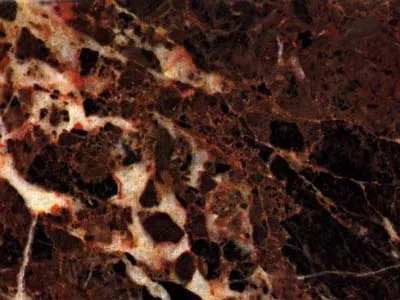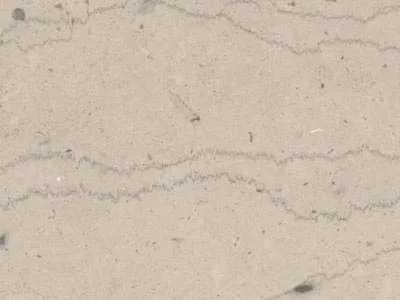

Campan is a distinguished green marble originating from France, prized for its deep, consistent hue and refined aesthetic. This stone features a fine grain structure with subtle veining that adds depth without overwhelming the surface. Its elegant appearance makes it ideal for high-end interior applications, including wall cladding, flooring, and custom architectural elements. Suitable finishes include polished, honed, and brushed textures to highlight its natural character. Marmi di Carrara supplies Campan in blocks, standard slabs of 2 or 3 cm, and precise cut-to-size pieces. We provide detailed photos of actual slabs before purchase to ensure transparency. Discover the unique qualities of this French marble and request a quote for your project.
Petrographic description
Typically a fine-grained green marble with subtle mineral inclusions.
Campan is a Marble quarried in France, catalogued in the Marmi di Carrara atlas under the international reference ICFRMA00295. Its dominant tone is green.
Like every marble, it is supplied as raw blocks, gangsaw slabs in 2 and 3 cm and cut-to-size pieces made in our Carrara plants. Recommended finishes: polished, honed, brushed, sandblasted, bush-hammered (exterior). Typical applications: interior floors and walls, bathrooms, vanity tops, stairs, fireplaces, furniture and sculpture.
Availability varies with the quarry campaigns: before quoting we check current stock, block sizes and the selection grade, and we send photos of the actual slabs. Price and transport are confirmed by our technical office within one working day.
Campan (Vert et Rouge): complete guide
Overview
Campan is a historic marble from the French Pyrenees, known for its interweaving of greens and reds in nodules and wavy bands. It is chosen for restoration and characterful decoration, where its polychrome pattern is irreplaceable.
History and origin
It takes its name from the Campan valley in the Hautes-Pyrénées. In its green, red and mixed varieties it was highly prized in French architecture in the 17th and 18th centuries, including royal residences, for columns, cladding and fireplaces. Today availability is limited and the material is sought mainly for restoration work. Marmi di Carrara can check its availability on request.
Appearance
The pattern is formed by green, red and pink nodules and lenses set in a wavy matrix, sometimes with white calcite veins. The varieties range from Campan Vert, predominantly green, to Campan Rouge, more reddish, and the mixed type. Polishing brings out the colour contrasts, which are the stone's distinctive feature.
Uses
It is suitable for restoration, decorative cladding, fireplaces, columns, inlays and small furnishings. The clayey layers between the nodules make it sensitive to the weather, so it is not recommended outdoors. It is not suitable for kitchens or high-traffic floors.
Care and maintenance
Use only neutral detergents and soft cloths. Avoid standing water and acidic products. For historic elements, the intervention of a specialist restorer is advisable.
- Classification
- nodular limestone (cipollino), commercially marble
- Density
- approx. 2,700 kg/m³ (indicative)
- Mohs hardness
- approx. 3
- Water absorption
- low
- Main use
- interiors, restoration
- Acid resistance
- low: sensitive to lemon, vinegar and limescale removers
FAQ
Is Campan suitable for outdoor use?
Marble: suitable for façades and shaded areas with a honed or bush-hammered finish; polished surfaces lose their gloss outdoors. Tell us the climate and exposure of the project and we will recommend the right finish and thickness.
What is the price of Campan per m²?
Indicative price from €145/m² for polished 2 cm slabs ex works Carrara, VAT excluded. The final figure depends on selection, block size, finish and quantity; a personalised quote is free.
How is Campan shipped from Italy?
Slabs travel in wooden A-frames inside 20-foot containers (about 25 tonnes); blocks ship loose or in open-top containers. We quote FOB, CIF or door-to-door to any port or site.