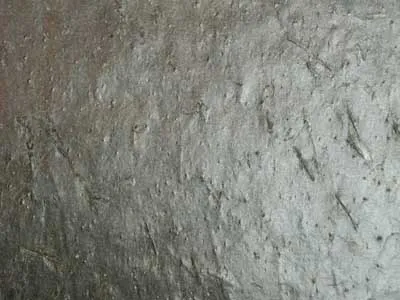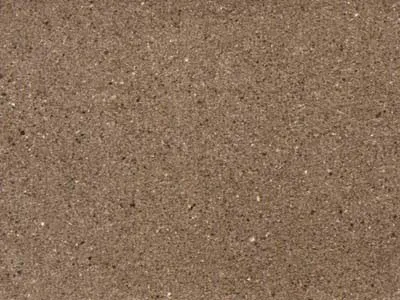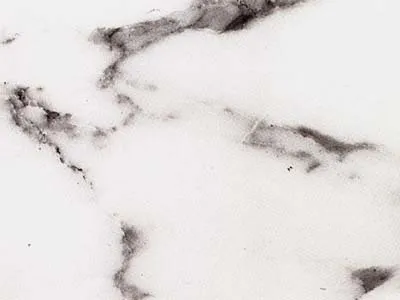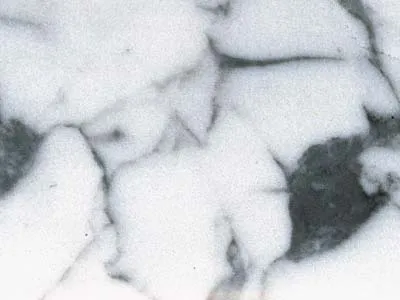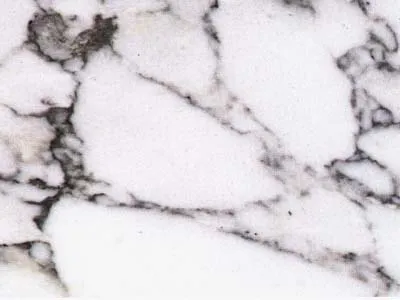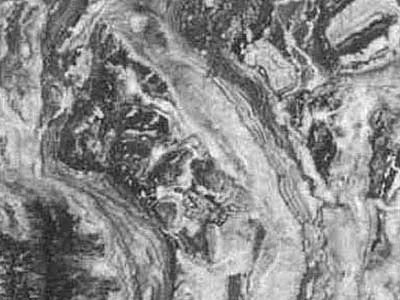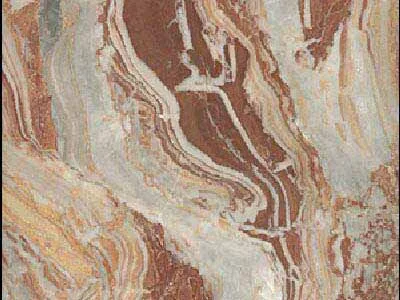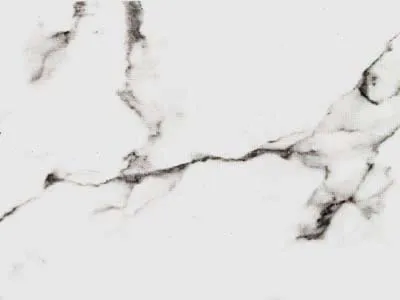

Basaltina is a natural sandstone quarried in Italy, renowned for its uniform grey tone and fine granular texture. The stone displays a subtle, even grain pattern with occasional faint veining that adds depth without compromising its sleek appearance. Its durability and consistent colour make Basaltina ideal for both interior and exterior applications, such as wall cladding, flooring, and architectural detailing. Recommended finishes include polished for a refined surface or honed for a softer, matte look. Marmi di Carrara supplies Basaltina in robust blocks and ready‑to‑install slabs of 2‑3 cm thickness, offering cut‑to‑size services and real‑time photos of actual slabs before purchase.
Petrographic description
Typically a grey sandstone composed of sand-sized quartz grains cemented by silica.
Basaltina is a Sandstone quarried in Italy, catalogued in the Marmi di Carrara atlas under the international reference ICITSA00232. Its dominant tone is grey.
Like every sandstone, it is supplied as raw blocks, gangsaw slabs in 2 and 3 cm and cut-to-size pieces made in our Carrara plants. Recommended finishes: honed, sawn, sandblasted, bush-hammered, split-face. Typical applications: exterior paving, façades, garden walls, rustic interiors.
Availability varies with the quarry campaigns: before quoting we check current stock, block sizes and the selection grade, and we send photos of the actual slabs. Price and transport are confirmed by our technical office within one working day.
Basaltina: the complete guide
Overview
Basaltina is a grey lava stone from Lazio, compact but with small natural cavities that give it a textured, contemporary look. It is chosen for interior and exterior floors and cladding in a neutral, elegant tone.
History and origin
It is a volcanic rock quarried in the Viterbo area, linked to the activity of the ancient volcanoes of Lazio. Lava stones of this type have been used in Lazio since antiquity for paving and building works. In recent times Basaltina has become much sought after in contemporary architecture for floors, façades and furnishings. Marmi di Carrara supplies it on request.
Appearance
The background is a uniform medium-dark grey, with small scattered pores and vesicles that create a fine, lively texture. The slabs are fairly homogeneous, with limited variations in pore density and shade. Honed, it takes on a deep, silky grey, while sandblasted, brushed or bush-hammered it looks lighter and rougher.
Uses
Suitable for interior and exterior floors, façade cladding, stairs, pool surrounds, shower trays and washbasins. It can also be used for bathroom tops, provided it is treated with a good protector that seals the pores. It does not look its best with a mirror polish, because the vesicles interrupt the reflection.
Care and maintenance
Clean with neutral detergents; the small pores can trap dirt, so a water- and oil-repellent treatment after installation is useful. Outdoors, wash with water and a brush. Avoid film-forming waxes that alter its natural matt appearance.
- Classification
- extrusive volcanic rock (lava stone)
- Bulk density
- approx. 2,500-2,600 kg/m³ (indicative)
- Mohs hardness
- approx. 5-6
- Water absorption
- low to medium, variable due to the pores
- Main use
- interiors and exteriors
- Acid resistance
- good: it contains no limestone
FAQ
Is Basaltina suitable for outdoor use?
Sandstone: a classic outdoor stone for paving and walls. Tell us the climate and exposure of the project and we will recommend the right finish and thickness.
What is the price of Basaltina per m²?
Indicative price from €100/m² for polished 2 cm slabs ex works Carrara, VAT excluded. The final figure depends on selection, block size, finish and quantity; a personalised quote is free.
How is Basaltina shipped from Italy?
Slabs travel in wooden A-frames inside 20-foot containers (about 25 tonnes); blocks ship loose or in open-top containers. We quote FOB, CIF or door-to-door to any port or site.